How to Save on Electricity Bills Without Major Home Upgrades
Lower your electric bill without renovating: read your bill, adjust heating and cooling, cut standby power and check time-of-use rates...
Reviewed by Ashley Anderson, Support Operations & AI Automation Specialist · October 2026
You do not need a renovation to examine electricity spending. Small adjustments and a careful look at your utility bill can reveal opportunities.
Read the actual bill
Identify usage, rate, fixed charges, and the billing period. A higher bill may reflect more days or a rate change rather than more consumption.
Adjust heating and cooling thoughtfully
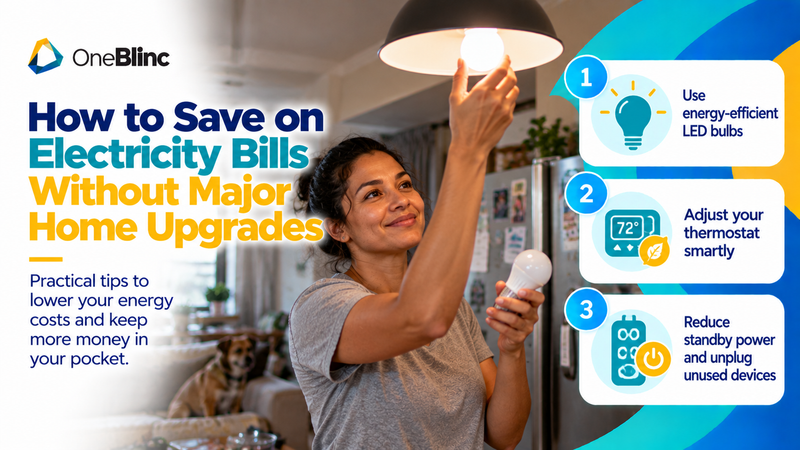
Use comfortable, safe thermostat settings and replace filters according to equipment guidance. Avoid unsafe temperatures for children, older adults, or pets.
Reduce unnecessary standby and lighting use
Turn off lights in empty rooms and consider efficient bulbs when replacements are needed. Prioritize changes with low upfront cost.
Check utility assistance programs
Some providers offer budget billing, weatherization support, or income-based assistance. Confirm eligibility directly with the provider.
Track usage rather than guessing
Compare kilowatt-hours across similar seasons and household conditions to see whether a change is working.
Where your electricity goes
Understanding which appliances use the most energy helps you focus on changes that matter. In many homes, heating and cooling account for a large share of electricity use. Water heaters, refrigerators, clothes dryers, and electric ovens are also significant. Smaller electronics like phone chargers use relatively little power individually. Your utility may offer an online tool that breaks down usage by time of day or compares your consumption with similar homes, which can reveal where to start.
Low-cost changes that can add up
Wash clothes in cold water when appropriate, since heating water is a major energy use.
Air-dry laundry when possible instead of running the dryer.
Seal drafts around windows and doors with weatherstripping or draft stoppers.
Use ceiling fans to feel cooler, allowing a slightly higher thermostat setting in summer.
Close blinds or curtains during the hottest part of the day, and open them for sunlight in winter.
Clean refrigerator coils and check door seals so the fridge runs efficiently.
Unplug rarely used devices such as spare TVs or chargers in guest rooms.
Check whether time-of-use rates apply
Some utilities charge different rates depending on the time of day. Electricity may cost more during peak hours, often late afternoon and early evening, and less overnight. If your plan uses time-of-use pricing, running the dishwasher, washing machine, or dryer during off-peak hours could lower your bill without reducing how much you use. Check your bill or call your provider to find out which rate plan you are on and whether a different plan might suit your household better.
Renters can save too
If you rent, you may not be able to replace windows or install new insulation, but many changes are still within reach. Draft stoppers, LED bulbs, thermal curtains, and smart power strips can be taken with you when you move. If appliances are old or inefficient, ask your landlord whether replacements are planned, and report drafts or heating issues that may be increasing your bill.
Track your progress
Compare your usage in kilowatt-hours month to month, and against the same month last year, rather than only looking at the dollar amount. Weather and rate changes can affect the total, so usage is the clearest way to see whether your changes are working.
Beware of energy-saving scams
Some door-to-door sellers or callers claim to represent your utility and promise big savings if you switch providers or sign up on the spot. Ask for identification, never share your account number with an unverified caller, and contact your utility directly using the number on your bill to confirm any offer. Legitimate programs will give you time to review the details in writing before you commit.
Related OneBlinc guides
Explore OneBlinc
If a paycheck timing gap is part of your situation, download OneBlinc to explore BlincAdvance™ and check current eligibility and terms. OneBlinc offers a subscription service starting at $8.99 per month, a free standard deposit option, and an optional instant deposit for an additional fee. Available advance amounts depend on eligibility and applicable terms. Only use an advance when you have a clear repayment plan.
Educational content only; not individualized financial, legal, tax, or medical advice. Eligibility rules apply.
Frequently Asked Questions
Does unplugging devices always save a lot?
Savings vary; heating, cooling, and major appliances often account for more consumption.
Is budget billing a discount?
Usually not. It may smooth payments, but you still owe for actual usage under the provider’s terms.
Can I ask my utility for a home energy check?
Many utilities offer free or low-cost energy assessments or online usage tools. Ask your provider what is available in your area.
OneBlinc Editorial Team
The OneBlinc Editorial Team writes practical guides on budgeting, paychecks, saving, and handling financial emergencies. Every article is researched, edited for accuracy, and updated when rules or products change. Our content is educational and is not individualized financial advice.
OneBlinc Blog
OneBlinc helps eligible workers manage paycheck timing with BlincAdvance™. Eligibility and terms apply.
Visit SiteDon't miss an update!
Subscribe to get our fresh news!