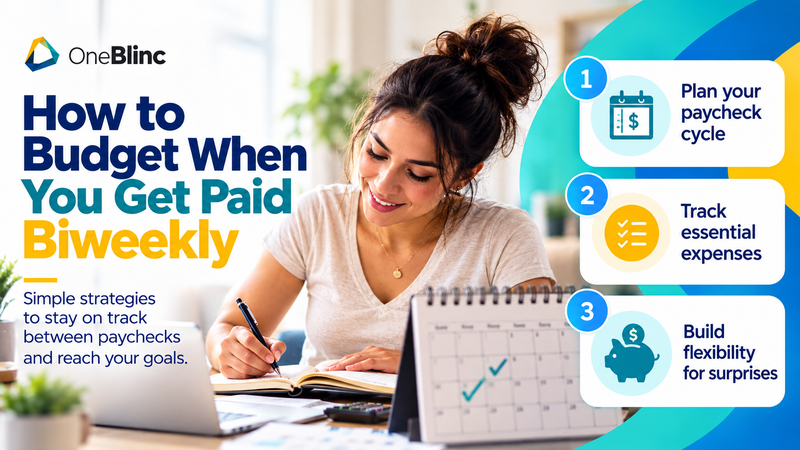
How to Prepare Financially for a New Baby: A Practical Checklist
A practical money checklist for a new baby: medical costs, leave and income changes, childcare planning, essentials and an updated budget...
Reviewed by Ashley Anderson, Support Operations & AI Automation Specialist · October 2026
Preparing for a new baby involves more than buying supplies. A practical financial plan covers medical costs, time away from work, everyday essentials, and the unexpected.
Estimate pregnancy and delivery expenses
Review insurance coverage, deductibles, out-of-pocket limits, provider networks, and expected bills. Ask your insurer and healthcare team for details relevant to your situation.
Plan for leave and income changes
Check employer leave policies and any applicable public benefits. Estimate take-home income during leave and adjust your budget before the baby arrives.
Prioritize essential purchases
Start with safe sleep, appropriate transportation equipment, diapers, and feeding supplies suited to your family. Consider used items carefully and check product safety guidance and recalls.
Research childcare early
Waitlists and costs vary. Compare licensed options, available assistance, work schedules, and backup-care needs before returning to work.
Update the household budget and emergency plan
Add recurring baby expenses, review health coverage enrollment deadlines, and set aside a starter emergency buffer when possible. Consider beneficiary and other household planning updates as appropriate.
A practical example
If you expect $120 per month in new recurring baby expenses, adding that amount to your budget before the due date can reveal where adjustments are needed. Actual costs vary widely by family.
New baby financial checklist
Review insurance coverage, deductibles, and out-of-pocket limits.
Estimate your take-home income during parental leave.
List essential baby purchases and check product safety recalls.
Research childcare options and costs before returning to work.
Budget for the first year, not just the first month
Many new-parent budgets focus on the nursery and the hospital bag, then get caught off guard by costs that arrive later. Formula or feeding supplies, diapers in growing sizes, clothing that is outgrown every few months, and well-child copays all repeat throughout the first year. Try estimating monthly costs for months one to three, four to six, and seven to twelve separately. The total may shift as your baby grows, and childcare often becomes the largest line item once parental leave ends.
Costs that are easy to overlook
Increased utility use from more laundry and time at home.
Higher grocery spending during recovery and late-night feedings.
Updated life insurance or a will, which may involve professional fees.
Transportation changes, such as a car seat that fits your vehicle.
Common money mistakes new parents make
The most frequent mistake is buying too much too early. Babies have different preferences, and some gear goes unused. Register for essentials, wait on extras, and accept hand-me-downs for items without safety concerns. Another mistake is assuming income during leave will match a normal paycheck. Paid leave policies vary widely, so confirm what percentage of pay you will receive, for how long, and when the first payment arrives. Finally, avoid letting gift money disappear into everyday spending. Setting part of it aside can cover the expenses that show up months later.
A sample savings timeline before the due date
If you learn you are expecting about seven months before the due date, a simple timeline can spread the costs out. In the first month, review your health plan and leave policy and estimate out-of-pocket delivery costs. Over the next few months, set aside a fixed amount from each paycheck toward that estimate, and buy one or two essential items per pay period rather than everything at once. In the final two months, finalize childcare plans, confirm how to add your baby to your insurance, and keep a small cash cushion for unexpected costs after the birth. Spreading purchases over time can make the arrival feel less financially overwhelming and leave room for surprises.
Related OneBlinc guides
Explore OneBlinc
If a paycheck timing gap is part of your situation, download OneBlinc to explore BlincAdvance™ and check current eligibility and terms. OneBlinc offers a subscription service starting at $8.99 per month, a free standard deposit option, and an optional instant deposit for an additional fee. Available advance amounts depend on eligibility and applicable terms. Only use an advance when you have a clear repayment plan.
Educational content only; not individualized financial, legal, tax, or medical advice. Eligibility rules apply.
Frequently Asked Questions
When should I start budgeting for a baby?
As early as practical. Even a simple estimate helps identify insurance, leave, and childcare questions that take time to resolve.
Do I need to buy everything new?
Not necessarily, but safety-sensitive items require extra care. Follow current manufacturer guidance and check recalls before using secondhand products.
When should I add my baby to my health insurance?
Most plans give you a limited window after birth to enroll a newborn, so check your plan's deadline well before the due date.
OneBlinc Editorial Team
The OneBlinc Editorial Team writes practical guides on budgeting, paychecks, saving, and handling financial emergencies. Every article is researched, edited for accuracy, and updated when rules or products change. Our content is educational and is not individualized financial advice.
OneBlinc Blog
OneBlinc helps eligible workers manage paycheck timing with BlincAdvance™. Eligibility and terms apply.
Visit SiteDon't miss an update!
Subscribe to get our fresh news!