How to Lower Your Cell Phone Bill Without Losing Coverage
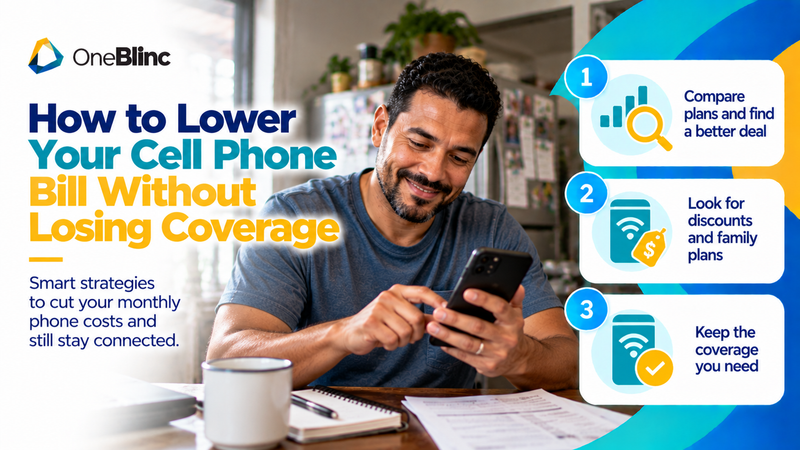
Cut your phone bill by matching your plan to actual data use, removing extras, comparing carriers and asking about discounts you qualify for...
Reviewed by Ashley Anderson, Support Operations & AI Automation Specialist · October 2026
Cell phone plans can include features you rarely use. Reviewing your bill and actual coverage needs can help reduce recurring costs.
Inspect the full monthly charge
Separate service, device installments, insurance, taxes, and optional add-ons. A low advertised rate may exclude some items.
Check actual data use
Look at several months of data consumption. A smaller plan may work if you mainly use Wi-Fi, but do not compromise access needed for work or safety.
Compare coverage before switching
Check the network in your home, workplace, and regular commute. Low price has little value if service is unreliable.
Ask about discounts and fees
Look for autopay discounts, family-plan savings, and eligibility-based programs. Check activation, cancellation, and device payoff requirements.
Avoid replacing a working phone unnecessarily
A device upgrade can raise total monthly cost even if the service price stays the same.
Types of cell phone plans compared
Postpaid plans
These are the traditional monthly plans from major carriers, billed after you use the service. They often include perks like device financing, international features, or streaming add-ons, but they may cost more and sometimes involve credit checks.
Prepaid plans
You pay at the start of each month for a set amount of service. Prepaid plans can be less expensive and usually do not require a credit check, though some features or customer support options may be limited.
Mobile virtual network operators
Often called MVNOs, these smaller providers lease network access from major carriers and can offer lower prices. Coverage typically depends on the network they use, and data may be deprioritized during busy periods.
Family or multi-line plans
Adding lines to a shared plan can lower the cost per person. Make sure everyone on the plan understands their share of the bill and the data limits.
How much data do you really need?
Many people pay for unlimited data but use far less. Check your carrier's app or your phone's settings to see your actual monthly data use over the past few months. If you mostly use Wi-Fi at home and work, a plan with a smaller data allowance may be enough. Video streaming and navigation use the most data, so adjusting settings like streaming quality can help if you are close to a limit.
Phones and fees that raise your bill
Device payments are often bundled into your monthly bill, which can make the plan look more expensive than it is. Once a phone is paid off, your bill may drop, so keeping a working device longer can lead to real savings. Also review fees for device protection, international roaming, premium voicemail, or extra services you may not need. Removing one or two unused add-ons can lower your bill without affecting coverage.
How to switch without losing your number
You can generally keep your phone number when changing carriers. Before switching, confirm your phone is unlocked or eligible to be unlocked, check whether any device balance remains, and get your account and port-out PIN from your current carrier. Keep your old service active until the new provider confirms your number has been transferred.
Assistance programs
Some households may qualify for discounted phone or internet service through government programs or carrier offerings. Check eligibility through official sources and be cautious of unsolicited offers asking for personal information.
Related OneBlinc guides
Explore OneBlinc
If a paycheck timing gap is part of your situation, download OneBlinc to explore BlincAdvance™ and check current eligibility and terms. OneBlinc offers a subscription service starting at $8.99 per month, a free standard deposit option, and an optional instant deposit for an additional fee. Available advance amounts depend on eligibility and applicable terms. Only use an advance when you have a clear repayment plan.
Educational content only; not individualized financial, legal, tax, or medical advice. Eligibility rules apply.
Frequently Asked Questions
Will switching carriers cancel my phone payments?
Not necessarily. Review outstanding device balances and promotional credits.
Are prepaid plans always cheaper?
Not always; compare the complete cost and coverage for your usage.
Are there discounted phone plans for lower-income households?
Some carriers and government programs offer reduced-cost service to eligible households. Check eligibility through official program sources.
OneBlinc Editorial Team
The OneBlinc Editorial Team writes practical guides on budgeting, paychecks, saving, and handling financial emergencies. Every article is researched, edited for accuracy, and updated when rules or products change. Our content is educational and is not individualized financial advice.
OneBlinc Blog
OneBlinc helps eligible workers manage paycheck timing with BlincAdvance™. Eligibility and terms apply.
Visit SiteDon't miss an update!
Subscribe to get our fresh news!