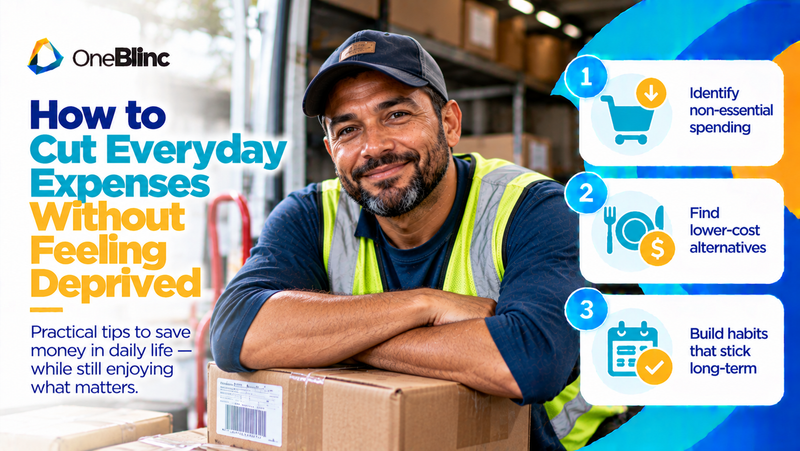
How to Cut Everyday Expenses Without Feeling Deprived
Cut everyday spending without feeling deprived: target low-value costs first, set a weekly amount, swap rather than cut, and try a two-week test...
Reviewed by Ashley Anderson, Support Operations & AI Automation Specialist · October 2026
Reducing spending does not have to mean giving up every small pleasure. The most sustainable approach is to cut costs that matter less to you while protecting the routines and experiences that make life manageable.
Look for low-value spending first
Review a month of transactions and highlight subscriptions you forgot, duplicate services, convenience fees, and purchases you barely remember. Do not assume every small expense is wasteful: the goal is to identify costs that bring little value to your household.
Set a realistic weekly amount
Choose a flexible amount for takeout, entertainment, or other optional purchases after essential bills are covered. A clear limit can reduce decision fatigue while leaving room for enjoyment.
Replace, rather than eliminate
If restaurant meals are important family time, consider one planned meal out instead of several unplanned orders. If streaming is your preferred low-cost entertainment, rotate subscriptions rather than canceling all of them at once.
Compare the full price
A lower sticker price is not always a better deal. Include delivery charges, membership fees, transportation, and the time required. Check unit prices for groceries and avoid buying in bulk when food is likely to spoil.
Try a two-week experiment
Choose one change, track the actual dollars saved, and notice whether it creates hardship. Keep changes that work and drop those that make daily life unnecessarily difficult.
Example: a practical trade-off
Replacing two $12 convenience purchases per week with a $5 alternative could free up $14 weekly, or roughly $728 over 52 weeks, if the habit continues. Your actual results depend on prices and frequency.
Find your personal value list
Spending feels less like deprivation when it reflects what you care about. Try listing the five expenses that bring you the most enjoyment or make daily life easier, and the five that you could do without. One person might value a weekly dinner with friends but barely notice a premium streaming tier. Another might treasure their gym membership but rarely use a paid music app. Cutting from the second list while protecting the first can free up money without making life feel smaller.
Everyday swaps that save without sacrifice
Coffee: brew at home most days and keep café visits for a planned treat.
Lunch: pack leftovers a few days a week instead of buying every day.
Entertainment: use your local library for books, movies, and sometimes free museum passes or events.
Personal care: stretch the time between salon visits or learn simple maintenance at home.
Household goods: buy cleaning supplies and toiletries in store brands or when on sale.
Use the 48-hour rule for impulse buys
Many unplanned purchases feel urgent in the moment but less important a day or two later. For nonessential items over a set amount, such as $30, try waiting 48 hours before buying. Add the item to a wish list or leave it in an online cart. If you still want it after the waiting period and it fits your budget, go ahead. If not, you have saved money without feeling like you denied yourself.
Make savings visible
Cutting expenses is more motivating when you see where the money goes. Each time you skip a purchase or choose a cheaper option, move that amount into savings or a specific goal fund. Watching the balance grow toward something meaningful, like a trip or a debt payoff, can make small choices feel worthwhile.
Explore OneBlinc
If a paycheck timing gap is part of your situation, download OneBlinc to explore BlincAdvance™ and check current eligibility and terms. OneBlinc offers a subscription service starting at $8.99 per month, a free standard deposit option, and an optional instant deposit for an additional fee. Available advance amounts depend on eligibility and applicable terms. Only use an advance when you have a clear repayment plan.
Educational content only; not individualized financial, legal, tax, or medical advice. Eligibility rules apply.
Frequently Asked Questions
Do I have to stop buying coffee?
No. Focus on spending choices that meaningfully affect your budget and matter least to you.
What if my essentials already exceed my income?
Small cuts may not close a structural gap. Explore income options, assistance programs, or nonprofit financial counseling alongside expense reviews.
How can I find subscriptions I forgot about?
Review recent bank and card statements, plus your phone's app store subscriptions, for recurring charges you no longer use.
OneBlinc Editorial Team
The OneBlinc Editorial Team writes practical guides on budgeting, paychecks, saving, and handling financial emergencies. Every article is researched, edited for accuracy, and updated when rules or products change. Our content is educational and is not individualized financial advice.
OneBlinc Blog
OneBlinc helps eligible workers manage paycheck timing with BlincAdvance™. Eligibility and terms apply.
Visit SiteDon't miss an update!
Subscribe to get our fresh news!